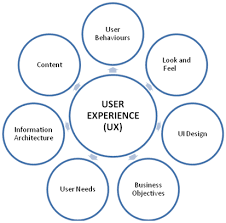
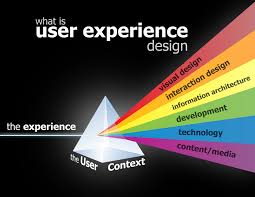
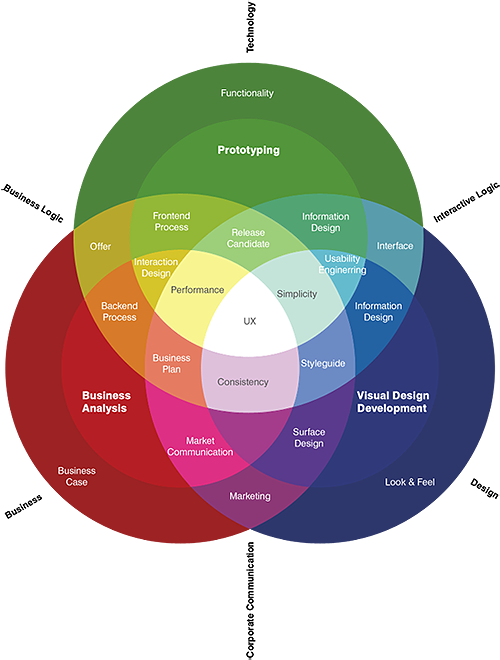
Businesses have now come to recognize that providing a quality user experience is an essential, sustainable competitive advantage. It is user experience that forms the customer’s impression of the company’s offerings, it is user experience that differentiates the company from its competitors, and it is user experience that determines whether your customer will ever come back.
I was lucky to witness first-hand the transforming impact that a great process can have to an entire organization. The particular process I saw was Agile Software Methodology which is about iterative and incremental development focused on value for the customers. When the organization that I was with decided to align the entire development team to Agile methodology in the space of several months, it ended up becoming the most productive and quality driven department compared with other branches around the world who were still using an outdated waterfall process.
When I later moved on to a new company, I was thrilled to find the familiar process in place: Agile and Lean Startup methods. Lean Startup removes waste from all steps to build a minimum viable product which allows a team to collect the maximum amount of validated learning about customers with the least effort. However, my team soon realized that Agile and Lean Startup methods alone were not well equipped to deal with the new terrain of Design Thinking process, a solution-focused design approach to problem solving.
So, the team carried on with continuous improvements of the development cycle to include the Design Thinking process. After almost a year and a half of trial and error, we had a successful process that worked very well for us. We combined the best practices from Agile, Lean Startup and Design Thinking methodologies. What we didn't know at the time was that the core principles of Lean UX are borrowed from the same fundamental methodologies. We somehow arrived at Lean UX without this clear road map, but it had taken us a bit of time. Let's call this group the "Team Found-It".
One unintentional management flaw was the decision on how to deal with rapid growth. With more growth and opportunities in the pipeline, the company decided to create new teams for many emerging opportunities. Each team member from the successful "Team Found-It" was separated into a new team, including the project manager who played a central role in discovering the value of Lean UX. Within a matter of weeks, I found myself alone with brand new team members including a new project manager; all of them were super smart and capable, but with one big caveat: most of them didn't know about Agile, Lean Startup, or Design Thinking.
It was painstakingly obvious that the successful momentum of the "Team Found-It" was gone. Projects were constantly delayed and upper management's expectations of this "same" team were badly misaligned. It was simply a wrong assumption that the process acquired through trial and error by the original "Team Found-It" over the course of a year would somehow magically transfer to my new team. Let's call this team "Team Lost-It".
The whole experience made me felt like someone who'd worked hard to discover a set of round wheels for his cart, but then had these replaced with square wheels, causing everyone frustration as to why the cart had stopped working smoothly.
We as a company had failed to recognize the Lean UX process that had been discovered by "Team Found-It", and then failed a second time to apply it to the whole organization. Once this issue was identified, a solution was set in motion - an external expert was recruited to train and educate the whole of "Team Lost-It" and also the rest of the organization on Agile and Lean UX methodology. Now "Team Lost-It" and the whole organization is en route to re-discover the process that will give unity and will drive the competitive advantage through innovation and speed.